

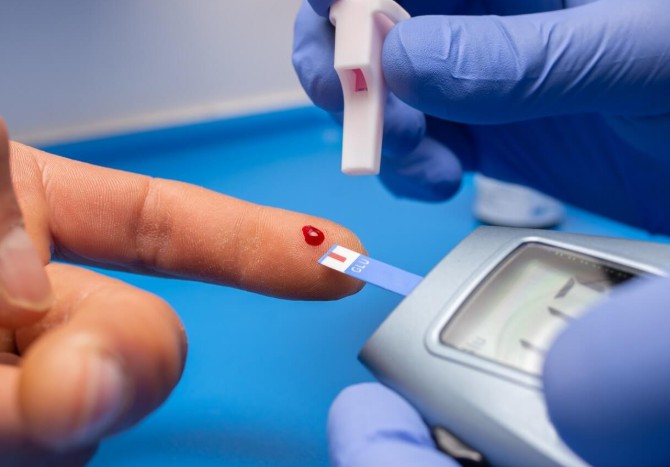
Revolutionary Study Transforms Diabetes Detection and Management Strategies
Diabetes has long been a prevalent health issue affecting millions worldwide, but recent breakthroughs in research are reshaping how we understand, detect, and manage this chronic condition. A groundbreaking study has unveiled promising strategies that could potentially revolutionize diabetes care, offering hope and new avenues for both patients and healthcare providers.
Unveiling New Detection Methods
Historically, diabetes detection relied heavily on blood tests and monitoring blood sugar levels over time. However, these traditional methods, while effective, often required frequent doctor visits and could be invasive or stressful for patients. The latest study introduces innovative techniques that are less intrusive and potentially more accurate.
Advanced Biomarkers
Recent research has focused on the identification of advanced biomarkers that appear in the early stages of diabetes. These biomarkers, detectable through simple non-invasive procedures, could allow healthcare professionals to diagnose diabetes sooner, leading to earlier intervention and better health outcomes.
Benefits of Advanced Biomarkers:
- Earlier detection of diabetes, allowing for timely intervention
- Reduction in the need for invasive testing procedures
- Potential to monitor disease progression more accurately
Artificial Intelligence and Machine Learning
Artificial intelligence (AI) and machine learning are playing pivotal roles in transforming diabetes detection. By analyzing vast amounts of data, these technologies can identify patterns and risk factors that might be invisible to human eyes. This capability not only improves early diagnosis but also personalizes treatment plans for individuals based on their specific risk profile.
Key Contributions of AI in Diabetes:
- Enhancing accuracy in predicting diabetes onset
- Developing personalized risk assessment tools
- Improving efficiency in managing large datasets related to patient health
Revolutionizing Management Strategies
Once diabetes is diagnosed, effective management is crucial to control its progression and minimize complications. The traditional approach often involved generalized treatment strategies that might not suit everyone. The new study suggests a paradigm shift towards personalized management plans.
Personalized Medicine
The era of one-size-fits-all treatment is giving way to personalized medicine, where therapy is tailored according to individual genetic make-up, lifestyle, and physiological responses. This patient-centric approach ensures that treatments are more effective and side effects are minimized.
Advantages of Personalized Management:
- Increased effectiveness of treatment plans
- Reduction in adverse reactions and side effects
- Better adherence to treatment due to customization
Integration of Technology in Management
Additionally, the integration of wearable technology and mobile health apps into diabetes management is providing real-time data that helps in making quick, informed decisions related to diet, activity, and medication. These tools are empowering patients to take charge of their health like never before.
Technological Tools Enhancing Diabetes Care:
- Wearable devices that monitor vital stats continuously
- Mobile apps offering dietary recommendations and tracking
- Remote consultations with healthcare providers via telemedicine
Implications for Healthcare Providers
The insights from this revolutionary study have profound implications for healthcare providers, urging a re-evaluation of current practices. By adopting these novel strategies, healthcare professionals can significantly improve patient outcomes.
Training and Implementation
Healthcare institutions must invest in training medical staff to effectively implement these new detection and management techniques. This might involve additional schooling in AI systems and technology-based patient management to ensure seamless integration into existing healthcare practices.
Steps for Healthcare Providers:
- Embrace continuous learning and adaptation to new tools
- Collaborate with tech companies for integrated solutions
- Engage in patient education to maximize technology use
Future Prospects and Challenges
While the advancements outlined in the study are promising, there remain challenges to overcome before they can be universally adopted. Issues such as cost, accessibility, and data privacy need careful consideration.
Addressing Accessibility and Cost
Making these advanced tools accessible to all socioeconomic groups is essential. Innovative funding models and policy changes may be required to ensure equitable access.
Potential Solutions:
- Develop scalable solutions that reduce implementation costs
- Advocate for policies that support tech adoption in healthcare
- Encourage public-private partnerships to subsidize technology for low-income patients
Ensuring Data Privacy
As technology becomes more integral to diabetes management, protecting patient data is paramount. Striking a balance between utilizing data for improved healthcare and maintaining rigorous privacy standards is crucial.
Privacy Protection Measures:
- Implement robust data encryption protocols
- Regular audits and compliance checks
- Educate patients on digital security best practices
In conclusion, the study represents a significant leap forward in the fight against diabetes. By reshaping how we detect and manage this pervasive condition, it offers hope for better patient outcomes and a healthier future. As these innovative strategies become more widely adopted, they hold the promise of transforming diabetes from a life-altering disease into a manageable condition.







 English
  Spanish