

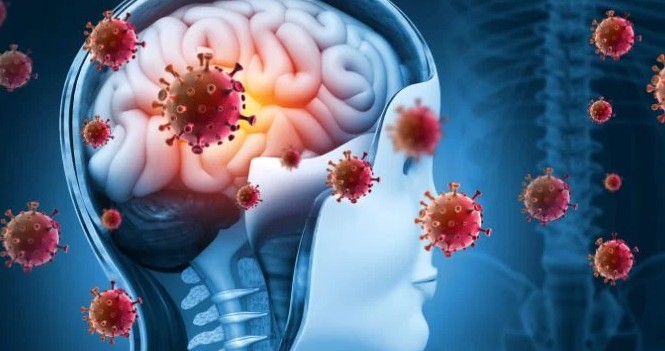
Pandemic Impact: Accelerated Aging in Human Brains Beyond the Virus
The COVID-19 pandemic has undeniably altered various aspects of our daily lives, but its impact may extend far beyond what meets the eye. Recent studies suggest that the pandemic might have precipitated accelerated aging in the human brain, revealing effects that go beyond the direct impact of the virus itself. As we delve deeper into this extraordinary phenomenon, we’ll explore its potential causes, implications, and possible preventative measures that can be adopted.
The Invisible Enemy: More Than Just a Virus
While the SARS-CoV-2 virus is primarily known for causing respiratory illnesses, research has been increasingly pointing toward its extended influence on mental health and cognitive functioning. The concept of accelerated brain aging is becoming a focal point of scientific inquiry, as neuroscientists and mental health experts attempt to unravel this complex web of biological and psychological repercussions.
The Science Behind Accelerated Brain Aging
The term “accelerated brain aging” refers to the premature aging of brain cells, leading to decreased cognitive performance and increased vulnerability to neurodegenerative diseases. The impact of COVID-19 extends to the brain, causing:
- Increased inflammation in the brain, linked to cognitive decline.
- Reduced neurogenesis, or the formation of new neurons, which is crucial for maintaining brain health.
- Disruption in brain connectivity and synaptic plasticity, which affects learning and memory.
Research has shown that the pandemic’s impact on mental health, such as stress and anxiety, can exacerbate these effects further, contributing to an accelerated aging process in the brain.
Mental Health: A Catalyst for Change
The mental health toll of the pandemic is substantial and documented, with anxiety, depression, and stress levels soaring worldwide. Traumatic experiences during the pandemic can amplify the aging process, manifesting in the brain as:
- Chronic Stress: The persistent activation of the stress response can lead to hippocampal atrophy, a key area of the brain involved in memory and emotional regulation.
- Loneliness and Isolation: Social isolation, exacerbated by lockdowns and social distancing measures, can lead to alterations in the brain’s structure and function, accelerating aging.
- Sleep Disruptions: The pandemic has disrupted sleep patterns for many, and poor sleep quality is associated with cognitive decline and faster brain aging.
The Role of Lifestyle Changes
The abrupt shift to remote work, restricted social gatherings, and closures of recreational facilities have forced people into sedentary lifestyles. The decline in physical activity and changes in diet have further intensified the brain’s aging process. Here’s how lifestyle changes play a role:
- Reduced Physical Activity: Regular exercise is essential for brain health, promoting neurogenesis and improving blood flow. The pandemic has curtailed physical activity levels, contributing to brain aging.
- Dietary Changes: Increased consumption of processed foods and lack of balanced diets can affect cognitive function and overall health.
- Increased Screen Time: Extended exposure to screens for work, leisure, and communication has been linked to cognitive fatigue and mental overload.
The Path to Resilience: Combating Accelerated Brain Aging
Despite these challenges, there are actionable steps that individuals can take to mitigate the effects of accelerated brain aging. By focusing on aspects that promote brain health, we can build resilience against the unintended consequences of the pandemic.
Embracing Healthy Routines
Building a daily routine that prioritizes physical and mental well-being is crucial. Key components include:
- Regular Exercise: Engaging in physical activities such as walking, cycling, or yoga can enhance neuroplasticity and cognitive flexibility.
- Balanced Nutrition: Following a brain-friendly diet rich in fruits, vegetables, whole grains, and omega-3 fatty acids can support cognitive health.
- Mindfulness and Meditation: Practicing mindfulness techniques and meditation can reduce stress and improve focus, aiding in preserving brain function.
Staying Socially Connected
Maintaining social connections, even through virtual means, can combat feelings of isolation and loneliness:
- Utilizing Technology: Virtual gatherings and communication platforms can provide social interaction opportunities, crucial for mental health.
- Community Involvement: Participating in community events, albeit virtually, can foster a sense of belonging and purpose.
Seeking Professional Help
Recognizing when professional intervention is needed is vital. Therapeutic interventions can offer support and strategies to cope with mental health challenges:
- Cognitive Behavioral Therapy (CBT): This therapy is effective in managing anxiety and depression symptoms, which can, in turn, protect against cognitive decline.
- Counseling and Support Groups: Engaging in professional counseling and support networks can provide relief and improve mental resilience.
Looking Forward: The Future of Cognitive Health Post-Pandemic
As we navigate the evolving landscape of post-pandemic life, it is crucial to remain vigilant about the potential long-term impacts on cognitive health. By strategically addressing factors that contribute to accelerated brain aging, we can safeguard our cognitive faculties and enhance quality of life. The insights gained from ongoing research will undoubtedly shed light on more comprehensive approaches to mitigating these effects, paving the way for a healthier, more resilient society.
In summary, while the pandemic has presented unexpected challenges, it has also illuminated the path to reinforcing our cognitive fortitude. By incorporating healthy habits and maintaining awareness of mental well-being, we can effectively combat the accelerated aging of our brains and emerge stronger in the face of future adversities.







 English
  Spanish