

Learn Important Safety Measures to Prevent Viruses from Bathrooms
Bathrooms are often overlooked when it comes to virus prevention, yet they can be breeding grounds for germs and bacteria. It’s essential to understand how viruses can spread in bathrooms and what steps you can take to protect yourself and your family. This article explores effective strategies to maintain a sanitary bathroom environment and keep illnesses at bay.
Understanding the Risk
The bathroom is one of the most used spaces in a home, school, or workplace, making it a hotspot for viral transmission. Here’s why bathrooms can pose a risk:
- High Touch Points: Handles, faucets, and switches harbor viruses because they are frequently touched.
- Moist Environment: Moisture from showers and sinks encourages the growth of bacteria and mold.
- Confined Space: Limited air circulation can cause bacteria to linger longer in the air.
Understanding these factors helps in addressing how we can enact measures to control the spread of viruses in bathrooms.
Effective Cleaning Practices
To minimize the risk of virus transmission, adopting rigorous cleaning practices is crucial.
Daily Cleaning Checklist
Implement a daily cleaning routine to maintain a hygienic atmosphere:
- Clean and disinfect high touch surfaces such as door handles, light switches, and faucets using a disinfectant approved for use against viruses.
- Replace hand towels and washcloths daily to avoid cross-contamination.
- Ensure proper ventilation by using exhaust fans or opening windows to reduce moisture build-up.
Weekly Deep Clean
Perform a deep clean at least once a week to target overlooked areas:
- Clean grout lines and use mold-killing solutions in shower areas.
- Wash or replace shower liners and curtains.
- Clean out drains to prevent standing water.
Establishing Personal Hygiene Protocols
Individual hygiene practices play a critical role in preventing the spread of viruses in bathrooms.
Hand Hygiene
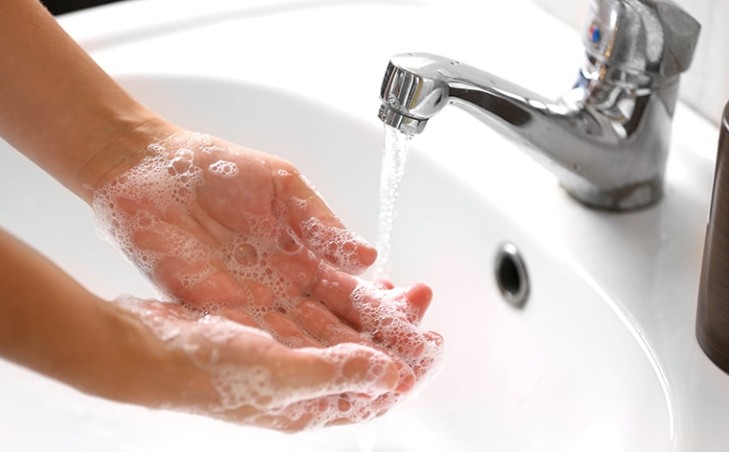
- Wash hands thoroughly with soap and water for at least 20 seconds after using the bathroom.
- Use paper towels or a clean towel to dry hands and turn off faucets.
Respiratory Etiquette
- Always use a tissue or your elbow to cover your mouth and nose when coughing or sneezing.
Avoid Sharing Personal Items
- Avoid sharing toothbrushes, razors, or towels to prevent cross-infection.
Implementing Smart Design Solutions
To further reduce risks, consider incorporating smart design elements into your bathroom:
Touchless Technology
Investing in touchless fixtures can greatly reduce contact with contaminated surfaces:
- Install motion sensor faucets and soap dispensers to minimize touchpoints.
- Automatic hand dryers or paper towel dispensers can reduce germ spread compared to shared cloth towels.
Material Choices
Selecting materials that are easy to clean and resistant to bacteria can make maintenance easier:
- Choose non-porous surfaces like stainless steel or tempered glass for counters and sinks.
- Consider antimicrobial flooring materials to reduce the spread of germs.
Exploring Community Practices
In public restrooms, community practices are essential for virus prevention. Encouraging these community habits can keep these shared spaces safer.
Facility Maintenance
Facilities management should prioritize regular maintenance and cleaning schedules:
- Increase the frequency of cleaning during peak usage times.
- Ensure that bathrooms are stocked with essentials like soap, toilet paper, and hand sanitizers.
Public Signage
- Post signs to remind users of hygiene practices, such as proper hand washing techniques.
- Implement visual guides for social distancing in larger restrooms.
Being Prepared for Contingencies
Sometimes, despite our best efforts, contamination can occur. Being prepared with contingency plans can mitigate potential outbreaks.
Monitoring Health
Encourage household or workplace members to stay vigilant about their health:
- Be aware of common symptoms of illnesses and stay home if sick.
- Keep emergency contacts and health resources readily available.
Quick Response Protocols
Establish and communicate protocols for handling known contamination:
- Immediate isolation and cleaning of affected areas can prevent further spread.
- Keep extra cleaning supplies and protective equipment on hand for unexpected situations.
Bathrooms are integral to our daily routines, and recognizing their potential role in virus transmission is key to ensuring safety. By adopting stringent cleaning protocols, making smart design choices, and promoting community responsibility, we can significantly reduce the risk of virus spread in bathrooms. Prioritizing these measures can lead to healthier environments both at home and in public spaces. Remember, proactive steps today can prevent infections tomorrow.








 English
  Spanish