

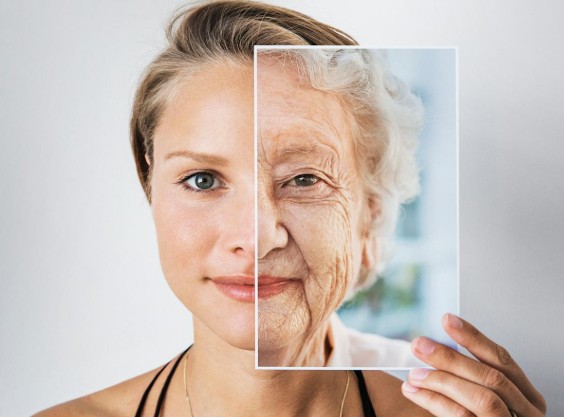
Understanding the Acceleration of Body Aging
The process of body aging is a complex journey that begins the moment we are born and accelerates at different stages of our lives. Recent research has identified a critical turning point that significantly impacts the rate of this biological progression. This finding offers insights into the mechanisms behind aging, potentially guiding future interventions to delay its effects and improve quality of life.
A Landmark Discovery in Aging Research
In the quest to understand how and why our bodies age, scientists have zeroed in on a pivotal moment when the aging process speeds up. This discovery is not just another footnote in the voluminous research on aging; instead, it provides a concrete explanation of how our biological clock ticks at varying speeds.
The Key Turning Point
Research shows that around the age of 25 to 30, there is a noticeable acceleration in biological aging processes. During this period, essential physiological markers begin to change more rapidly:
- Cellular repair and regeneration rates decrease.
- Metabolic rates begin to decline.
- Collagen production in the skin reduces significantly.
- Oxidative stress markers increase, leading to potential DNA damage.
The identification of this turning point helps us understand when the body begins to transition from its peak state to a phase characterized by gradual decline in various functions.
Factors Contributing to Accelerated Aging
- Aging is not a one-size-fits-all phenomenon. Various external and internal factors can contribute to how swiftly our bodies age.
- Genetic Influences
- Our genetic makeup plays a significant role in determining the rate at which we age. Some people inherit genes that predispose them to longer lifespans or greater resistance to age-related diseases. For others, genetic factors may contribute to a faster aging process.
- Lifestyle Choices
Our daily habits have a profound impact on aging:
- Diet: Consuming a diet high in antioxidants and low in processed foods can slow aging.
- Exercise: Regular physical activity maintains muscle mass, supports metabolism, and enhances immune function.
- Sleep: Quality sleep is essential for cellular repair and optimal function of bodily systems.
- Stress Management: Chronic stress is linked to accelerated aging, manifesting in quicker deterioration of physical and mental health.Environmental Exposures
The environment in which we live can also influence aging:
- Exposure to pollutants and toxins can accelerate damage to cells and tissues.
- Excessive UV radiation from sunlight can lead to premature skin aging and increased risk of skin cancers.
- Implications for Future Research and Personal Health
This key turning point in the aging process highlights opportunities for targeted research and personal health strategies.
Targeted Interventions
Understanding when and how aging accelerates allows researchers to develop targeted interventions. These could include medical treatments, dietary recommendations, or lifestyle modifications designed to delay this acceleration and maintain higher levels of function and health.
Personalized Aging Plans
Individuals can use information from this research to craft personalized strategies for aging gracefully. By recognizing one’s unique genetic and lifestyle factors, it’s possible to make informed decisions that promote longevity and wellness.
The Road Ahead
The recognition of this turning point in body aging is a stepping-stone toward more refined approaches to combating the effects of aging. As research continues to evolve, we may see new breakthroughs in extending healthy life years and enhancing the quality of life for aging populations. These advancements hold promise for transforming personal health management from a reactive approach to a preventive and personalized science.
In conclusion, the discovery that body aging accelerates significantly around the age of 25 to 30 opens a new chapter in our understanding of biological aging. It emphasizes the importance of early interventions and lifestyle modifications to potentially defer the consequences of aging and optimize health throughout the lifespan.






 English
  Spanish